Low water pressure can be a frustrating issue for many homeowners. Whether it manifests as a slow shower, dribbling faucets, or insufficient pressure in your dishwasher, the impact is immediate and often inconvenient. Understanding the causes behind this problem can help you tackle it more effectively. Below are insights drawn from professionals in the plumbing industry, including tips on diagnosing and remedying low water pressure at home.
Understanding Low Water Pressure
Before diving into solutions, it's important to grasp what low water pressure means and why it occurs. Water pressure is the force that pushes water through pipes and into your fixtures. Several factors can lead to decreased pressure, ranging from simple issues like clogged pipes to more complex problems with your municipal supply.
Common Causes of Low Water Pressure
A variety of elements can contribute to low water pressure:
Pipe Blockages: Over time, mineral deposits or debris can accumulate within your plumbing system, narrowing the space through which water flows. Leaking Pipes: A leak somewhere in your plumbing can divert water away from where it needs to go, resulting in lower pressure at fixtures. Municipal Supply Issues: Sometimes the problem originates outside your home; local infrastructure might be undergoing maintenance or experiencing higher demand than usual. Faulty Pressure Regulators: If your home has a pressure regulator that is malfunctioning or improperly set, it could limit the flow of water throughout your house. Old Plumbing Systems: Aging pipes may not only corrode but also become narrower due to buildup over decades of use.
Diagnosing Low Water Pressure
Before making any repairs, it's crucial to identify the source of the problem accurately. Start by checking all faucets and fixtures throughout your home, noting if the Plumber issue is consistent across multiple outlets or localized to one area.
If only one faucet exhibits low pressure while others function normally, you might be dealing with a localized blockage or fixture issue. However, if all fixtures are affected, consider inspecting main components such as the main shut-off valve or any visible piping for leaks.
Practical Solutions for Homeowners
Once you've diagnosed the potential cause of low water pressure in your home, you can consider various solutions:
1. Clean Aerators and Showerheads
Often overlooked but easy to address are aerators on faucets and showerheads. Plumber Carson City NV These devices mix air with water to create a steady flow while conserving water. Over time, they can become clogged with mineral deposits.
To clean them:
- Unscrew the aerator from the faucet or showerhead. Soak it in vinegar for several hours to dissolve mineral buildup. Rinse thoroughly before reattaching.
Regular cleaning every few months can maintain optimal flow rates.
2. Check Your Main Shut-off Valve
Your main shut-off valve controls incoming water supply into your home; if it's partially closed, it could restrict flow throughout your plumbing system. Ensure that this valve is fully open by turning it counterclockwise until no further movement is possible.
3. Inspect for Leaks
Visible leaks can signal major issues within your plumbing system that may require professional intervention. Look around exposed pipes in areas such as basements and crawl spaces for signs of moisture or dampness.
Use a bucket under any suspected leaking pipe and monitor whether it fills up over time; persistent dripping indicates a leak that needs repair.
4. Consult with Professionals
If you've ruled out simple fixes yet still experience low water pressure issues, it's wise to consult licensed plumbers who specialize in residential systems like Bighorn Plumbing serving Carson City NV. They have tools and expertise necessary for identifying hidden leaks or performing comprehensive inspections on older plumbing systems.
Professional plumbers often conduct camera inspections that allow them to visually assess pipe conditions without invasive methods—saving you time and potential costs associated with larger repairs down the line.
5. Consider Upgrading Old Pipes
Older homes may still have outdated piping materials such as galvanized steel or lead which are prone to corrosion and buildup over time—both contributors to decreased efficiency in water flow rates.
If you frequently encounter problems related to low pressure alongside rust-colored stains on fixtures (indicative of corroded pipe material), upgrading sections of your plumbing may provide lasting benefits rather than temporary fixes alone.
When Professional Help Is Essential
There are scenarios where handling low water pressure issues on your own simply isn't feasible—or safe:
- If you suspect contamination due to leaking sewer lines. When dealing with major plumbing renovations (i.e., replacing an entire system). In cases where extensive digging would be required (for underground pipes).
In these instances reaching out for professional assistance saves not only headaches but also protects against potential property damage stemming from improper DIY efforts.
Maintenance Practices for Sustaining Water Pressure
Preventive measures go a long way toward maintaining healthy levels of water pressure throughout any household:
Regular Inspections: Schedule annual check-ups with a trusted plumber who can spot emerging issues before they escalate into costly repairs.
Flushing Your System: Periodically flushing out sediment buildup helps keep things flowing smoothly—especially important if you live near hard-water sources known for scale deposits.
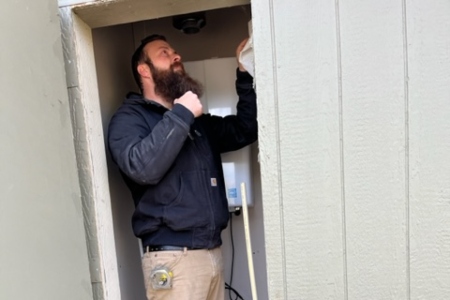
Water Softener Installation: If mineral content poses recurring problems consider investing in a whole-home softener which reduces lime scale accumulation while improving overall quality of indoor plumbing experiences from baths/showers right down through kitchen sinks too!
Monitoring Fixtures & Appliances: Regularly observe how well appliances like washing machines operate; decreased performance could indicate broader plumbing concerns needing attention sooner rather than later!
Educating Household Members: Share knowledge about conservation practices—like avoiding excessive flushing habits—to ensure everyone contributes positively toward maintaining optimal conditions at home!
By adhering closely to these strategies combined with proactive maintenance habits homeowners should see improved performance across their entire domestic environment—ultimately leading toward reduced frustration when facing everyday tasks involving running tapwater!
Conclusion
Tackling low water pressure requires a blend of diligence and informed action—from understanding core causes through practical solutions tailored specifically towards unique circumstances encountered within each residence itself! Moreover staying attuned toward preventative measures promotes longevity amongst domestic systems while minimizing future setbacks caused by neglecting basic upkeep routines year-round!


Taking these steps will empower homeowners not just overcome current frustrations but also equip them better handle similar challenges down road should they arise again unexpectedly later on! Whenever faced with persistent difficulties remember professional resources exist nearby ready assist swiftly whenever needed especially those located right here within Carson City NV ensuring reliable support always available near hand should complications occur anytime unexpectedly!
Bighorn Plumbing
3107 N Deer Run Rd # 14, Carson City, NV 89701, United States
+1 775-977-1191
[email protected]
Website: https://www.callbighorn.com